
MCR Pathways Welcomes Scottish Government Commitment to Eradicating Child Poverty
1 September 2026
MCR Pathways welcomes the Scottish Government’s Programme for Government and its clear focus on eradicating child poverty, investing in young people, and strengthening pathways from education into training and employment.
As Scotland transitions into the 2026–2031 Child Poverty Delivery Plan (Bringing Hope, Building Futures), the commitment to prevention and early intervention is particularly welcome. For young people navigating barriers, prevention means more than responding when a crisis has already developed. It means investing early in the relationships, confidence, ambition, and opportunities that enable young people to overcome unique challenges and realise their potential.
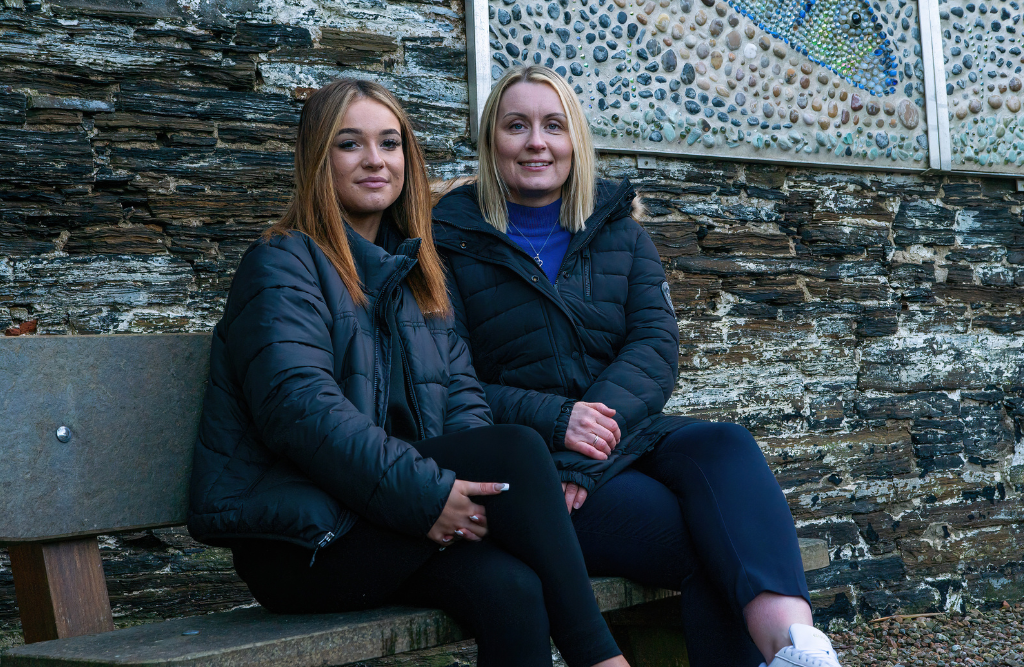
Mentoring has a vital role to play in making that national ambition a reality.
MCR Pathways has consistently demonstrated the power of a consistent, trusted adult volunteer mentor in supporting young people to navigate unique challenges, raise ambitions, and see a future beyond the circumstances they may face today. A volunteer mentor can be the person who empowers a young person to stay engaged with education, build self-belief, and develop the confidence and networks needed to take their next step.
Crucially, that support fits directly into Scotland’s shift toward public service integration and Whole Family Wellbeing. By focusing on Care Experienced young people and those navigating financial barriers, MCR Pathways directly supports young people who heavily overlap with the six priority family groups targeted in national strategy, including lone-parent households and families with disabled members.
Furthermore, this support should not end when a young person leaves school. MCR Pathways has expanded its model beyond schools into further education and community spaces, creating a continuum of mentoring support that follows young people through key life transitions. That continuity is vital: the transition from school into further education, training, or employment is a critical junction where the right support can break the intergenerational cycle of poverty, moving young people into sustainable positive post-school destinations.
This is why mentoring should be considered not simply as a school-based intervention, but as essential infrastructure in Scotland’s wider approach to prevention, education, employability, and closing the gap toward the statutory 2030 target of reducing relative child poverty to under 10%.
MCR Pathways’ commitment to this agenda is backed by strong joint action. Supported by an additional £1 million in Scottish Government funding announced alongside the child poverty framework, MCR Pathways is scaling its relational mentoring model to reach up to 5,500 Care Experienced young people and those navigating barriers across Scotland. We remain fully invested in working collaboratively with the Scottish Government and partners to help meet Scotland’s 2030 targets.
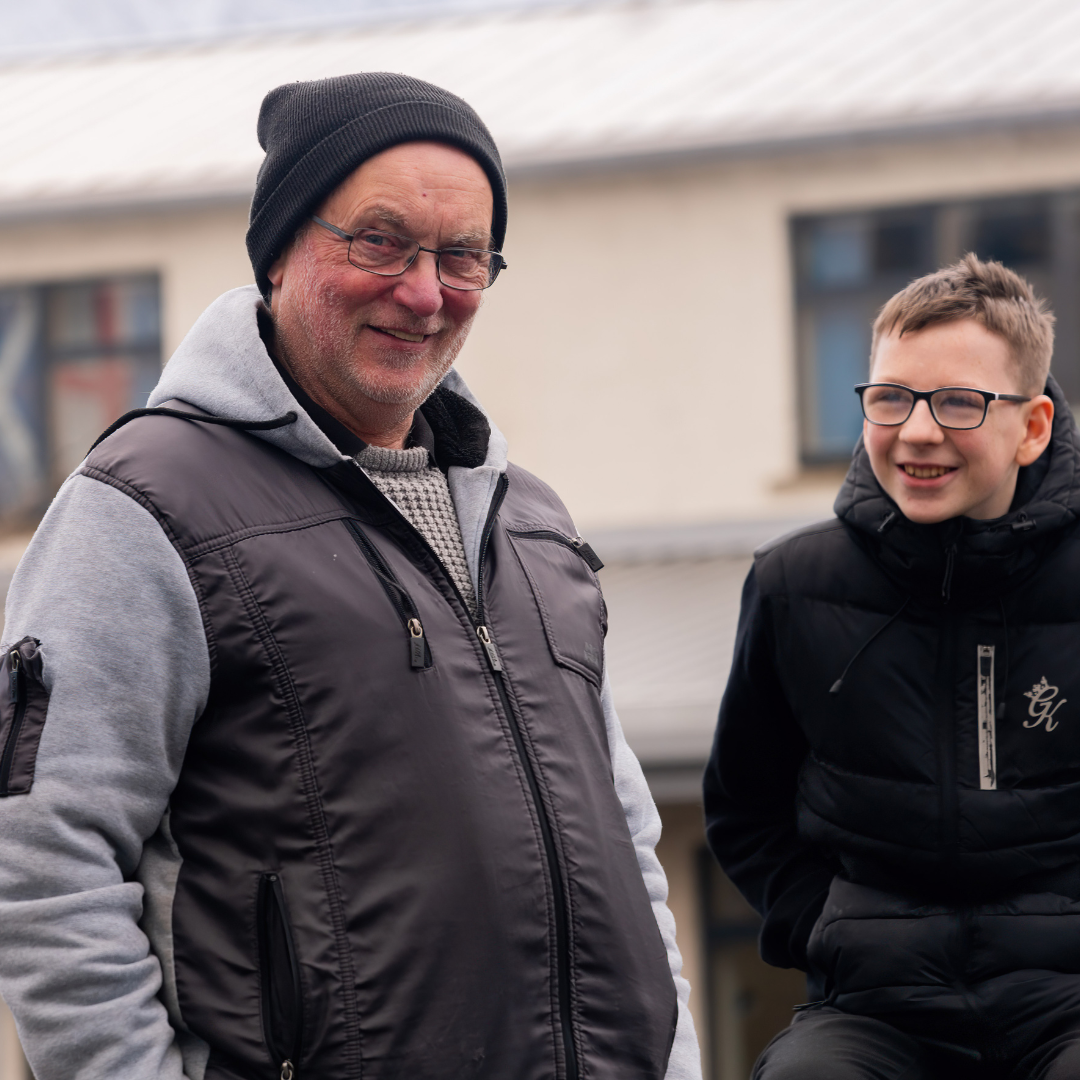
Talent is distributed equally, but opportunity is not. Mentoring helps close that opportunity gap by ensuring that more young people have someone alongside them who believes in their potential, helps them navigate barriers, and connects them to opportunities that might otherwise remain out of reach.
Crucially, policies that affect young people must be co-designed with them. We insist that the Scottish Government continue to expand and embed mechanisms for young people, particularly those with lived experience of care or navigating financial barriers, to be active, equal participants in shaping poverty policy. Systemic change is only truly effective when driven by the voices of those who navigate these barriers daily.
Building on these insights, as the Scottish Government develops its approach to prevention, we must continue to push for the MCR Pathways Trusted Adult Guarantee to be embedded within national Scottish Government mechanisms. Informed by feedback directly from young people with lived experience, this guarantee ensures that access to a trained volunteer mentor, someone who buffers against mental distress and financial barriers, does not depend on where a young person lives or the school they attend.
Embedding a Trusted Adult Guarantee within Scotland’s approach to prevention recognises that relationships are not an optional extra. They are part of the core infrastructure that enables young people to thrive.
MCR Pathways stands ready to build on our existing partnership with the Scottish Government, working alongside local authorities, schools, further education, employers, and the wider third sector to turn these ambitions into measurable outcomes for young people across Scotland.
The challenge now is to ensure that prevention is not simply a principle, but an investment priority, and that every young person has the relationships, continuity of support, and opportunities they need to build a positive future.
Every young person should have someone in their corner throughout their journey, not just at one point in it.
Until everyone has someone, our collective mission continues.