Mentor Spotlight: Twelve Years of Mentoring
30 April 2026
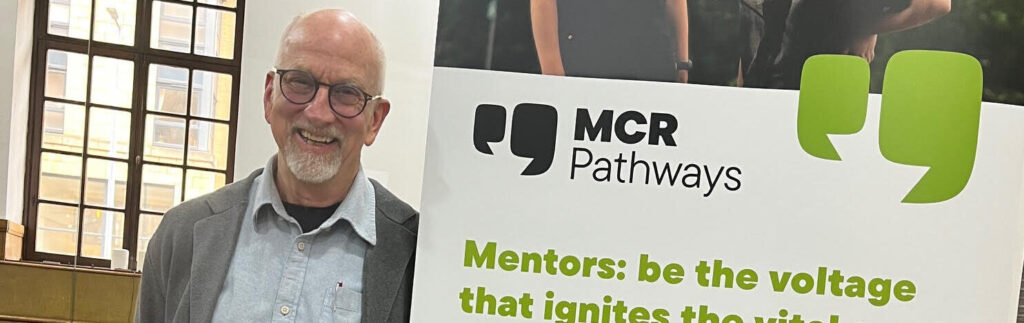
After a career as a social worker, John Donaldson knew there was a gap that mentoring could help fill. Twelve years later, he’s still showing up as a Trusted Adult Volunteer Mentor.
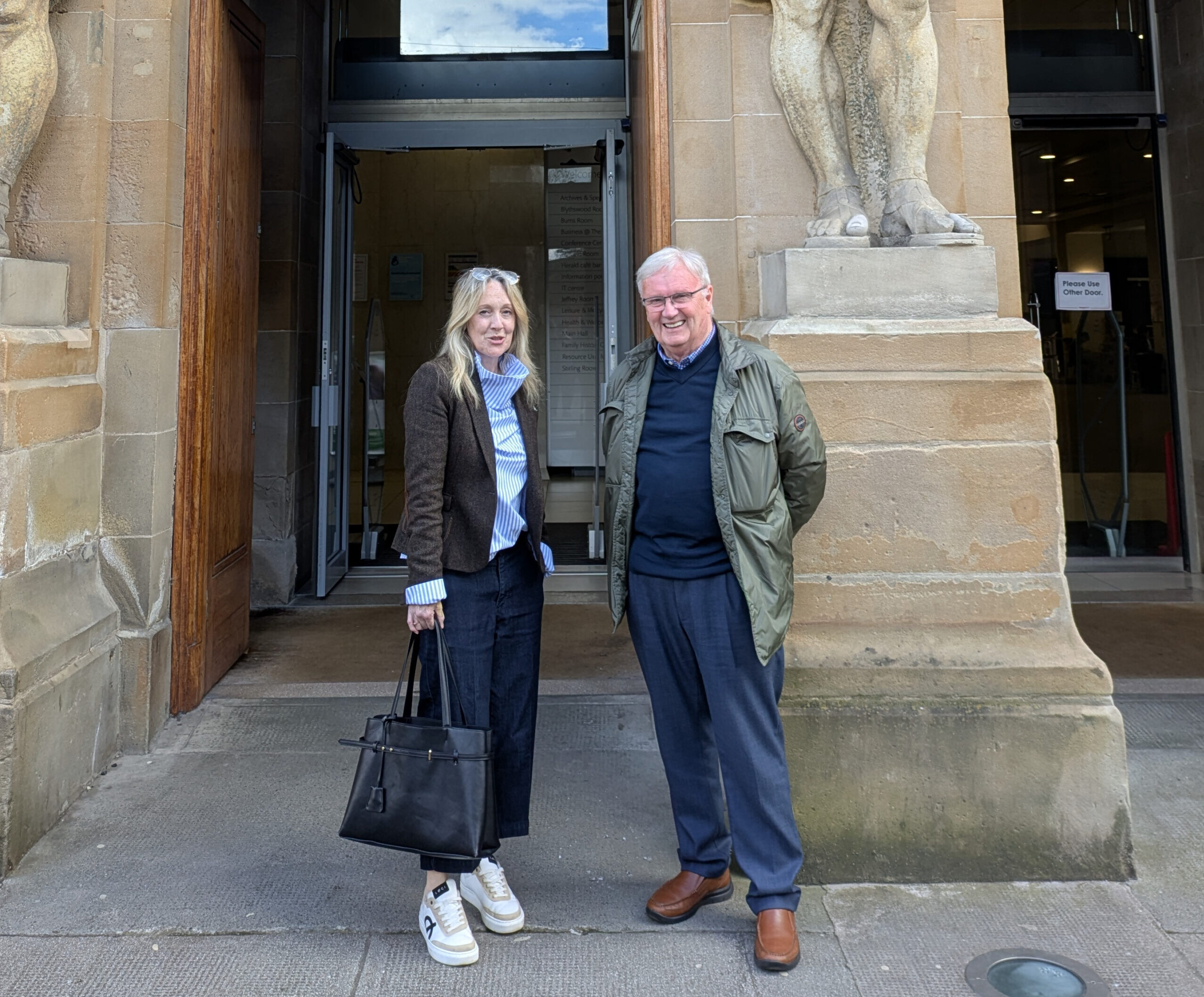
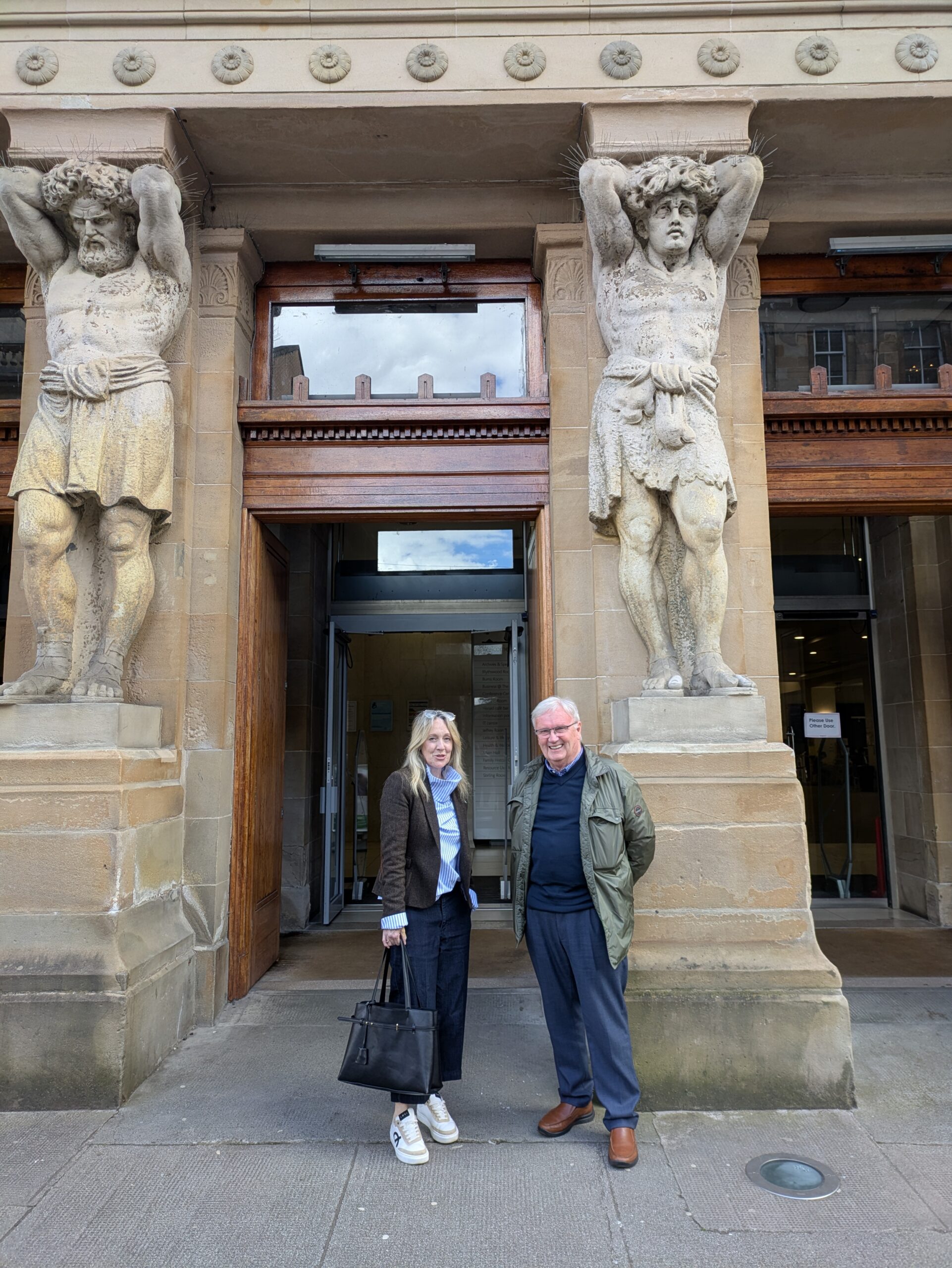
As part of our mentor recognition programme, Sharon McIntyre, CEO at MCR Pathways, sat down with John, one of our longest-standing mentors, to reflect on his incredible 12-year journey and the impact he has had through the power of mentoring.
As John celebrates his twelve-year anniversary, we discussed his journey and the impact he’s had.
Q: What inspired you to get involved with MCR Pathways, and specifically, to work with young people when you first started mentoring?
A: For the bulk of my career I was a social worker and came across a lot of young people. Time pressures meant you could do the basics, but you never felt you could get to the marginal bits. School was left to school.
When this came up, the focus was on young people who were care-experienced. This was a good chance to fill in the bits I couldn’t do through my work with the council.
It was unfinished business, but I wanted to keep going and be able to give back.
Q: Could you share a particular experience from your mentoring journey, a moment that really stands out for you?
A: There’s two experiences that would stand out.
There was one young man in the East End who had a good bit of potential. Coasting through school, but could do better. The big thing was the financial pressure on the family. Dad worked two jobs, he had a part-time job and it was difficult for the family to make ends meet. The pressure got to him and he left school to go into paid work.
I felt annoyed that he had a chance to do something and it was taken away from him. When I knew he would be leaving school that was what I focused on. We talked about how later on he could always go back to education and go into college, an apprenticeship, or whatever he was interested in. This isn’t a positive story, but it’s the reality of life.
The other one was a young woman who was in 5th year. We were struggling to find ways to connect. The breakthrough changed when we talked about music and the things she liked. She stayed with her gran for a while and she mentioned how much she liked listening to Elvis Pressley. All of a sudden I could talk to her about Elvis Pressley and that caused a breakthrough in the relationship.
The coordinator used to phone me and say they couldn’t find her and would ask her where I thought she might be. In one of the language rooms there was a coffee station where she hung out and I knew she would go there with her friends.
I always try to find something we can talk about outwith school such as football.
Q: What is it about MCR Pathways’ programme that has kept you engaged and committed to making a difference for so long?
A: I think partly the enthusiasm of the coordinators. You have a bunch of people who are energised and they energise you.
Also the reward you get when you make a breakthrough with a young person and they talk to you as an individual and about what interests them.
I found the resource packs and information MCR has is increasingly helpful. I would encourage people to dip into them and learn. Someone of my generation whose children have left school years ago. Finding out what is so different from when you were a child. It’s good to be refreshed on what’s current.
No matter how much you think you know. Each school has its own character. It has a layer, over and above what’s written down. Sometimes coordinators will talk to teachers to get feedback which is incredibly helpful.
Q: Thinking about the young people you have mentored, what is the most significant change or growth you’ve seen in them?
A: I think one would be thinking about life after school. Living in the school community very often contains elements of friends. Getting them to think about work, their aspirations, what they want to do and learn. Try to show them options for moving forward. Just about personal growth, maturing and taking on issues that they felt were overwhelming at the beginning.
One lad had difficulties with a teacher. We spoke about relationships, power and hierarchy and to work with it. Showing them this is reality but you can manage these issues. He managed it and got through the class successfully.
Q: Mentoring is often a two-way street. How has your role as a mentor changed or developed you personally or professionally?
A: My social work background gave me an indication and grounding of what’s involved in the lives of the young people.
As I’ve gone on, it increasingly makes you aware how complex young people’s lives are. The issues they have to deal with like AI, social media, and various pressures. It wasn’t around when I was young. You become more aware of it when your young person shows you what it is.
It reinforces how difficult a task young people face getting through those issues.
Q: In your opinion, why is mentoring such a vital service for young people today?
A: I think one of the things within education is that there is a lot of pressure to achieve and get good results. Very often the young people aren’t motivated towards getting academic results. It’s about making sure they can catch up or build up their own areas of expertise on what’s important to them.
They might not get highers or national 5s. But that shouldn’t exclude them. Helping them take subjects that are important to them or find subjects that are important to them.
One of the pupils was really interested in art and design. Glasgow school of art ran a programme for young people interested in going to art school. That really ignited an interest in that young person and really got them fired up.
Sometimes they need these tasters outside the school.
Q: What is the one piece of advice or encouragement you would give to someone considering becoming a mentor?
A: Think of it as something of stickability rather than instant success. Just about showing up consistently. Sitting and listening and giving someone a bit of space or a chance to talk. A space that they may need to get away from things going on.
Sometimes home life doesn’t give them the space to do that. The idea of going to a library is quite alien to most folk. For me it was finding spaces for them to help them with school work.
Q: What does mentoring mean to you?
A: It’s been a privilege to meet so many fascinating young people. Giving them a bit of support to help them get to where they want to be.
It’s been a learning experience and has kept me on my toes.
Meeting a young person in 4th year and seeing them leave in 6th year.
I think as an organisation you go through bad bits and good bits. The people you have in your organisation are good. The coordinators have always been enthusiastic and the young people really take to them. It really makes a difference in school for the young people to have that link. It’s a great organisation that’s making a great difference in the lives of young people.
If you have the time, don’t worry if you feel like you don’t have the experience. You’ll be well supported, so come and give it a try!
Become a Trusted Adult Volunteer
There are many young people waiting for a mentor like John to help them realise their potential and find a path to a brighter future.
Find out more: https://mcrpathways.org/become-a-mentor/