Celebrating Eleven Years of Mentoring
24 April 2026
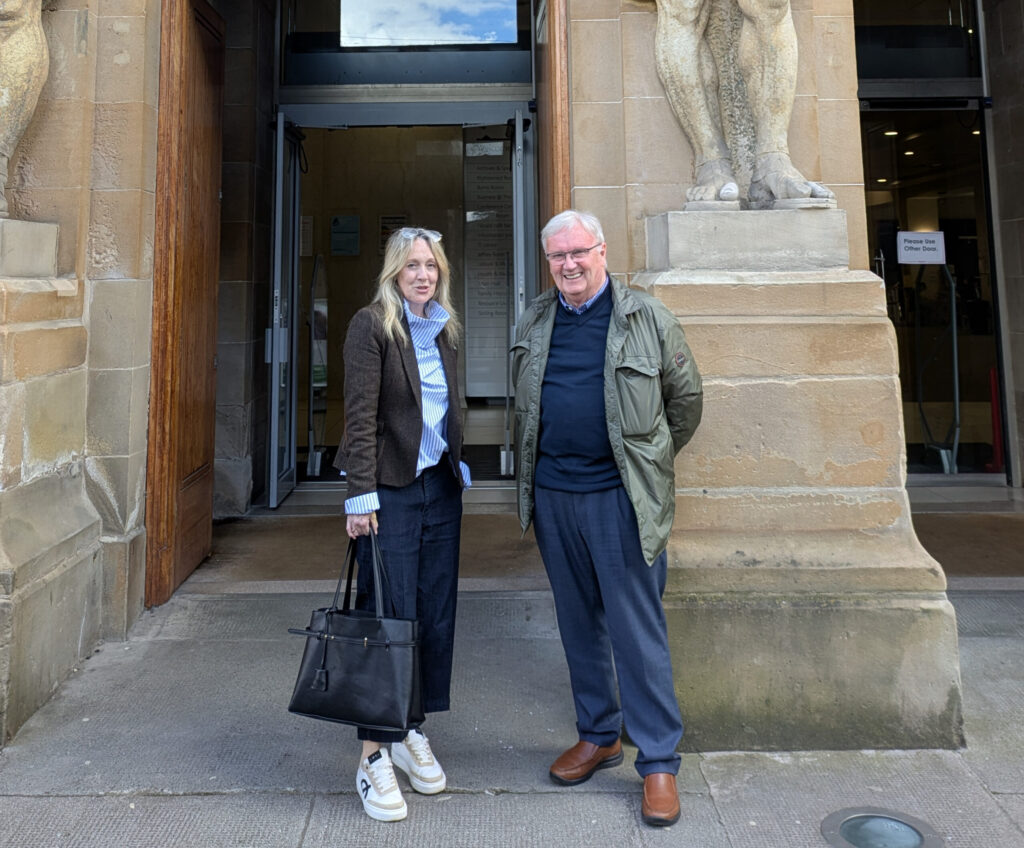
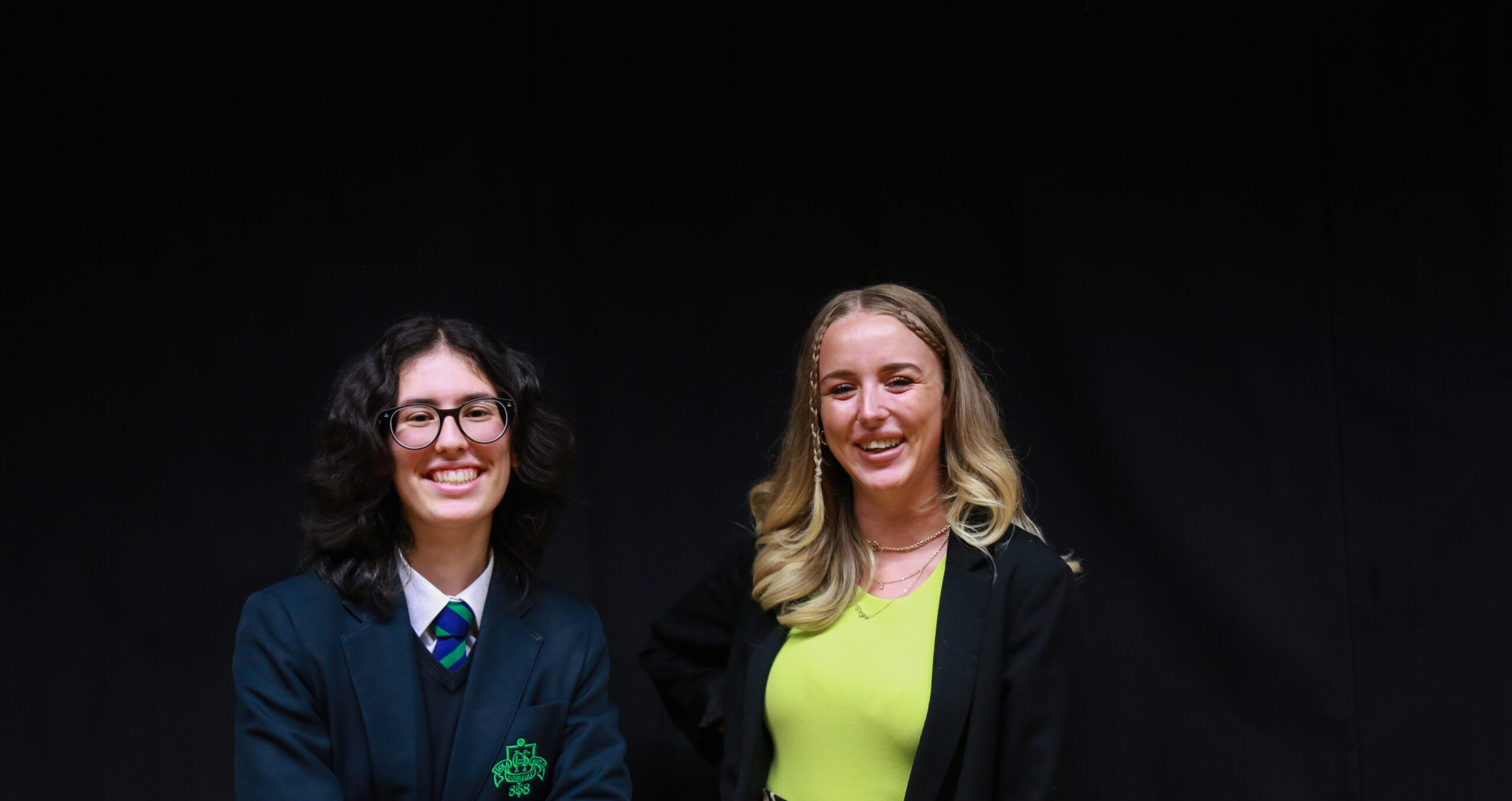
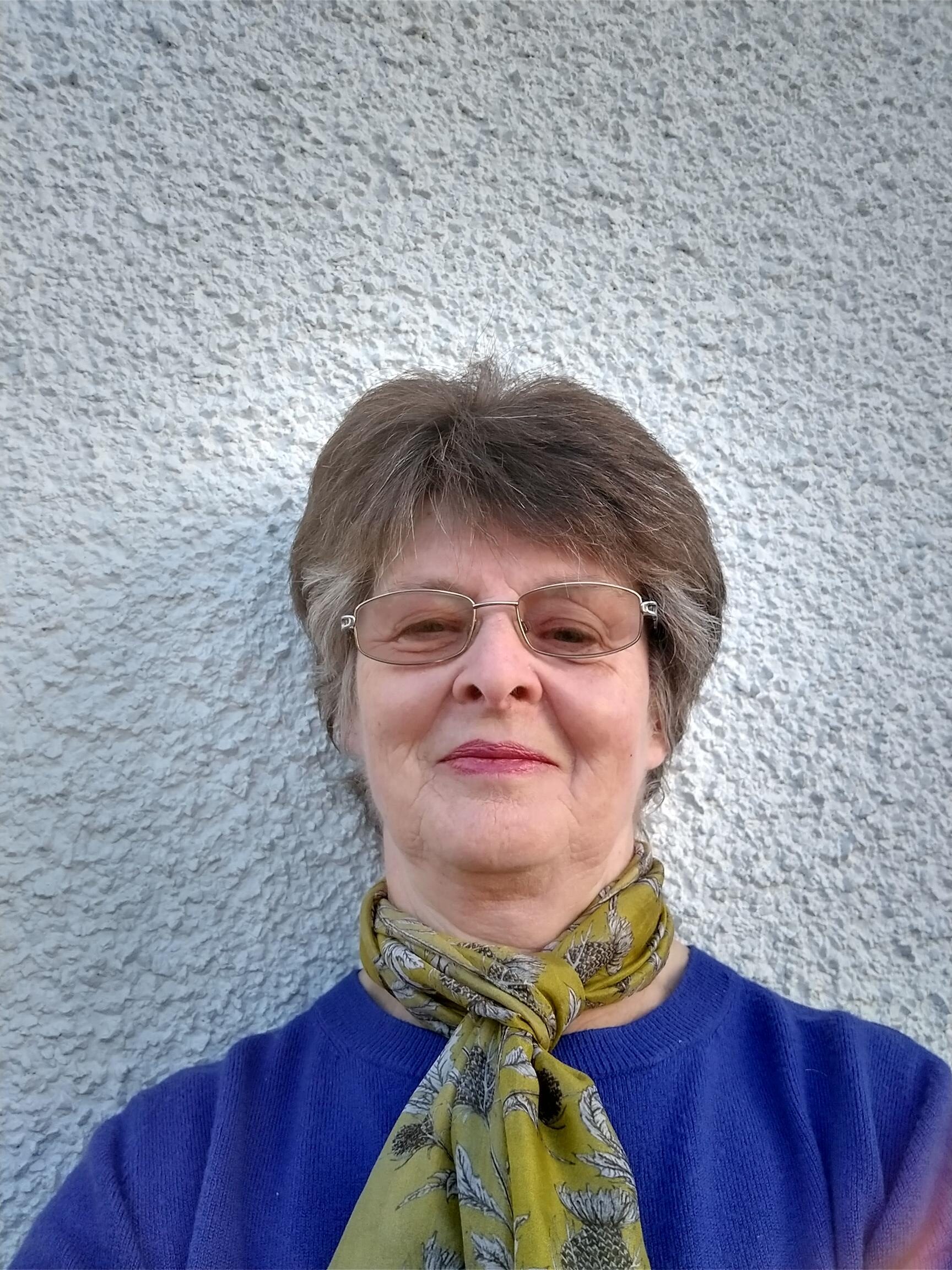
MCR Pathways CEO, Sharon McIntyre, recently sat down for a coffee with one of our most dedicated and long-serving mentors, Anne Davies, to reflect on an incredible 11-year journey of changing lives through the power of mentoring.
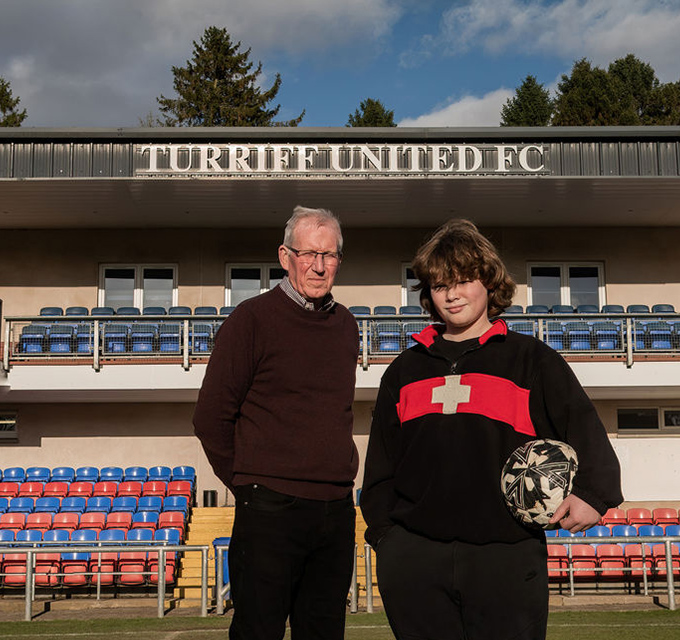
Having joined the programme in 2015, Anne has spent over a decade as a Trusted Adult Volunteer Mentor.
As she celebrates this milestone anniversary, we discussed her mentoring journey, the impact on the young people she has supported, and why she believes mentoring is “more important than it was 10 years ago.”
Q: What inspired you to get involved with MCR Pathways, and specifically, to work with young people when you first started mentoring?
A: It was 2012 and there was a big recruitment campaign for expanding into schools in the West End. Iain and Donna (MCR Pathways founding partners) did a really good presentation and my husband and I went along and signed up. It was aimed at care-experienced young people to raise standards in attainment and positive destinations. It was very inspiring.
Donna had a young person, Liam, who was her mentee, and she told us it’s all about support and encouragement and just encapsulated what it was all about.
Q: Could you share a particular experience from your mentoring journey, a moment that really stands out for you?
A: One young person was on the autistic spectrum, she needed help to build her confidence, but was so talented. She wouldn’t do many things for herself such as ordering meals for herself when out with family. She had two subjects that clashed, so I asked what she was going to do about that.
She just went off and met with her guidance teacher and teachers about the situation on the spot and got it sorted. That little confidence boost helped her to do it. She suddenly was getting more involved in activities like badminton. She went on to get involved in drama groups for neurodiverse young people. She ended up as a peer tutor for the group.
Another young person went for an interview for nursing and was told it was the best interview they had had. Just the encouragement and confidence helped so much.
Q: What is it about MCR Pathways’ programme that has kept you engaged and committed to making a difference for so long?
A: The young people themselves. The programme has had really good training. The coordinators have made all the difference. Your coordinator is so critical. Young people keep you going, but the support you get from the Hub, training and the staff helps.
All about trying to get them to a positive direction, so they don’t leave school with no direction. It’s even more important now than it ever was.
Q: Thinking about the young people you have mentored, what is the most significant change or growth you’ve seen in them?
A: Confidence and enthusiasm. Suddenly finding something for them to latch onto. That confidence and self-belief. The enjoyment. Being able to sit back and relax. If they have their arms folded and feet up you know you’re in for a good session.
They feel it’s an okay space and feel confident to do it. When they’re feeling down or things aren’t going well, but they still come along.
Q: Mentoring is often a two-way street. How has your role as a mentor changed or developed you personally or professionally?
A: I’m retired so it doesn’t affect my job skills. You learn something all the time. You learn about young people and the effect of social media.
Feeling more connected. I do have grandchildren, so it does keep you connected. You have to find stuff out, teach yourself stuff that they are interested in. You’re having to ask and find out what’s happening or go and search it yourself. It’s good for the brain and it’s good to keep you connected to future generations.
Q: In your opinion, why is mentoring such a vital service for young people today?
A: Just look at the world today. Frankly, life is harder for young people. Financial constraints and cuts in services such as youth clubs. Housing issues and cost of living. Life is just tough at the moment. Social media impact. The impact of all of this on young people’s wellbeing and especially sleep.
Potential for bullying and things like the manosphere just makes it so tough. MCR is even more important than it was 10 years ago.
Q: What is the one piece of advice or encouragement you would give to someone considering becoming a mentor?
A: Go for it! I think people need to consider the time factors and whether their work can support it. The willingness to be open and ask questions.
People feel they don’t have the skills and feel they can’t do it. But they will get support. The beginning of the relationship is the hard bit. You’re trying to make sure you’re not overdoing it or boring the young person. We just play uno or chess and have a chat.
Reassuring people you don’t need to sit chatting at them. You can play a game and let them open up.
If you have an interest, pursue it, there’s lots of young people needing a mentor.
Q: What does mentoring mean to you?
A: A lot actually! I find it really interesting and challenging. You hope you’re contributing to support young people finding a pathway. You have good sessions and not so good sessions. Overall, I really look forward to it. Just looking back, collectively you have been part of an important project.
Become a Trusted Adult Volunteer
There are many young people across Glasgow waiting for a mentor like Anne to help them realise their potential and find a path to a brighter future.
Find out more: https://mcrpathways.org/become-a-mentor/