
First Minister Charts Road Ahead in Tackling Child Poverty in Scotland
12 March 2026
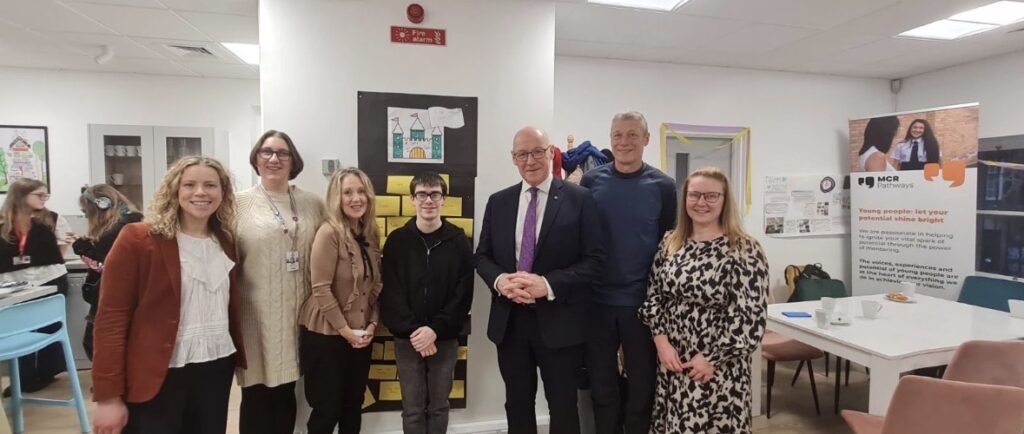
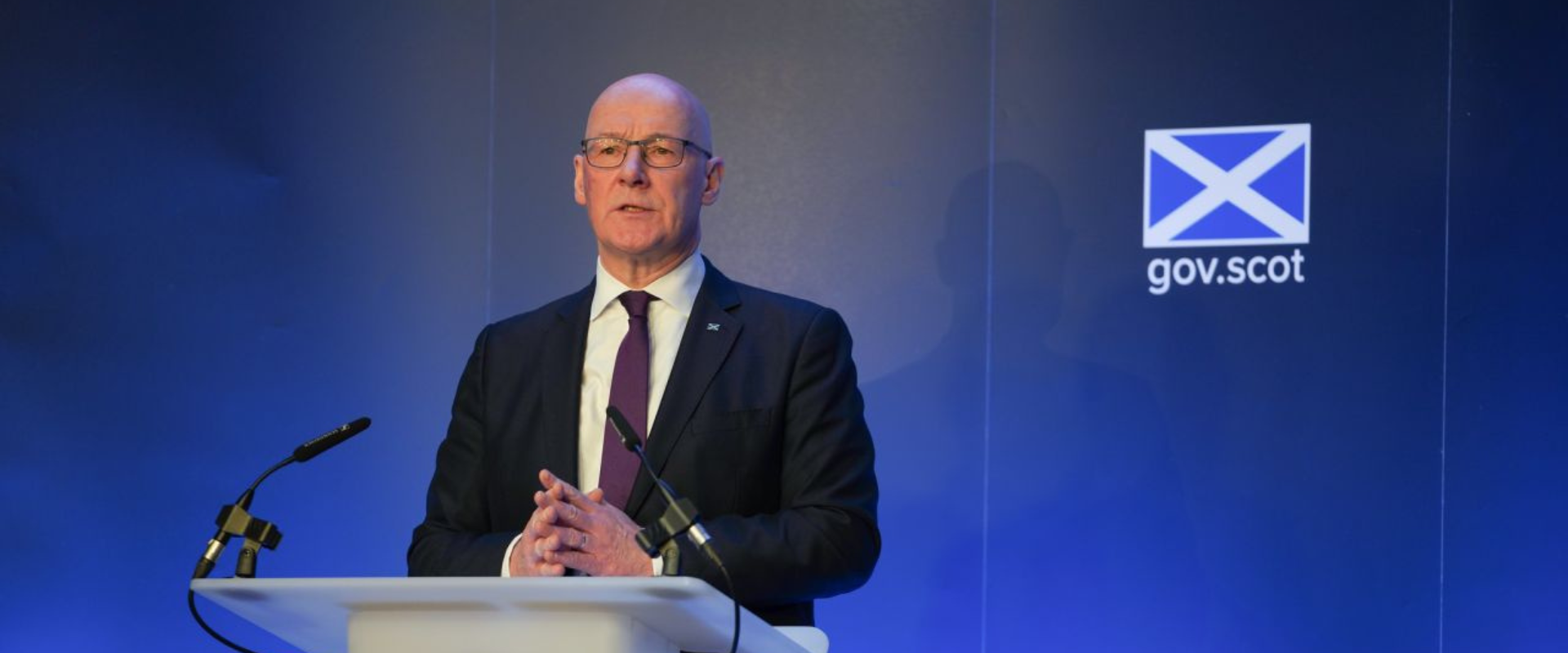
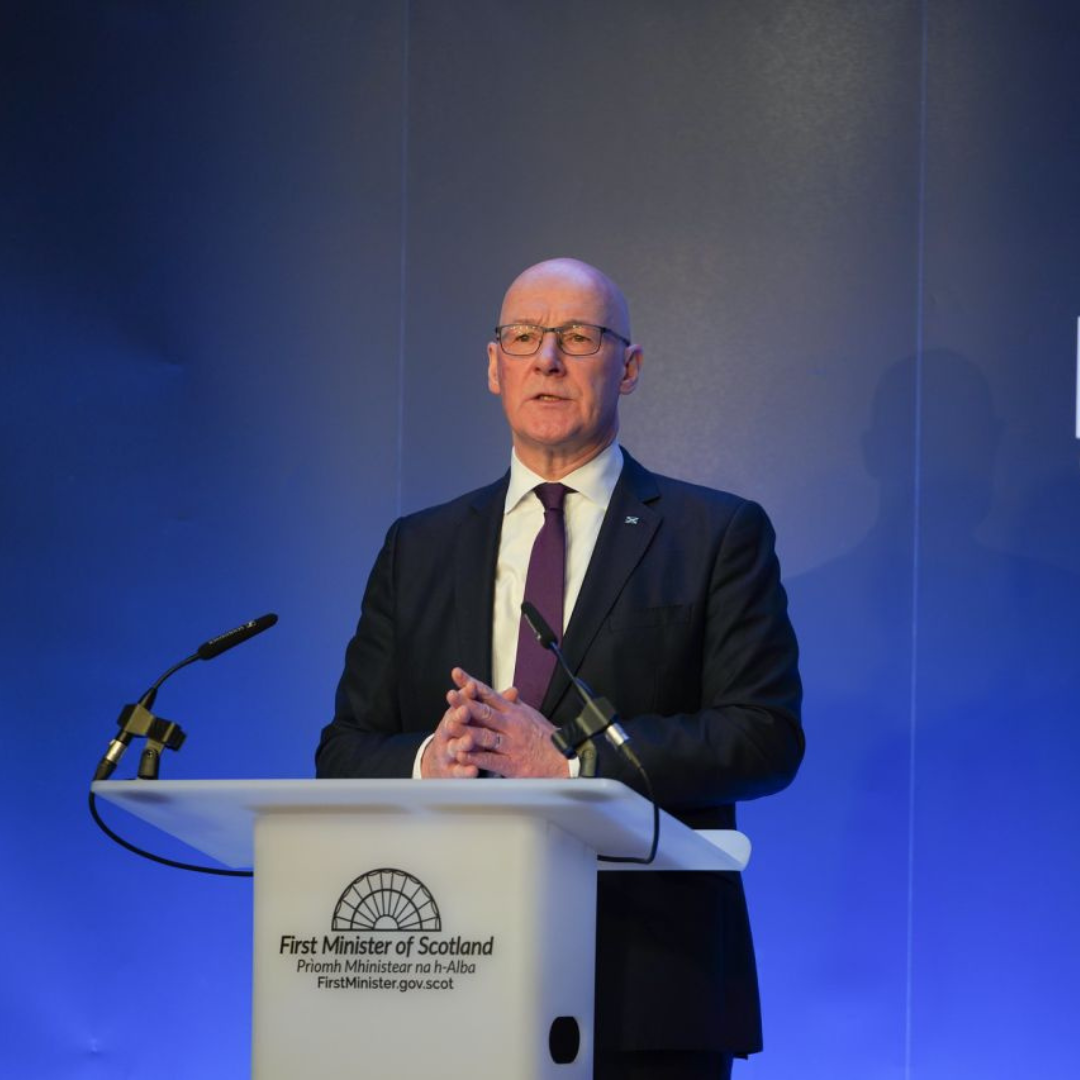
MCR Pathways colleagues attended an event to listen to First Minister John Swinney deliver an address regarding Scotland’s national mission to eradicate child poverty.
The First Minister set out key priorities ahead of the publication of the Scottish Government’s third Tackling Child Poverty Delivery Plan, and highlighted the critical importance of strong collaboration across the public sector and third sector.
The address was delivered at CentreStage, Ayrshire on Monday 09 March, welcoming third sector partners, local authority and wider community-based organisations.
What the First Minister said
John Swinney, First Minister for Scotland said: “No child should have their choices and opportunities curtailed by poverty. No child should have to worry about their basic needs – about heating, clothing, or eating. No child should have to face the additional challenge at school of being too hungry or too tired to learn. And no child should grow up to have fewer job prospects, poorer health and mental health outcomes, or a shorter life.
“It reduces our collective prosperity and adds strain to our public services. It curtails those children’s futures and as result it curtails Scotland’s future. So we are not here just to reduce child poverty in Scotland. We are here to eradicate it. Utterly and completely. To do that, we need to do things differently, and I am confident everyone in this room shares that understanding. In many ways, today is the next step in a conversation we have been having together for quite some time now.
“On Thursday (12 March), the Cabinet Secretary for Social Justice Shirley-Anne Somerville will set out the next steps on how we will do this in a statement to parliament – when she launches our new Tackling Child Poverty Delivery Plan.
“The Plan will set out a framework by which we will deliver the 2030 targets. It will continue to focus:
- On the drivers of poverty
- On the safety-net of social security
- On strengthening our employability and skills offer
- On growing and expanding childcare
- And on reducing household costs so that families are safe and secure.
“Many of you were instrumental in the creation of this Plan. Once again, I want to thank you for all your contributions in that endeavour.”
Putting Child poverty in Scotland in Context
Nearly 1 in 4 children are living in poverty in Scotland, and continue to be at a greater risk of poverty than the rest of the population. Poverty rates amongst the Scottish Government’s priority families remain particularly high. While there are signs of hope, in terms of the impact of the Scottish Child Payment (SCP), there is much more to do.
Whilst achievements have been made, the Scottish Government has yet to meet the interim child poverty reduction targets and remains far from the 2030/31 final targets. Relative poverty, absolute poverty and persistent poverty would all need to close by more than 10 percentage points over the next Scottish Parliament.
Relative child poverty sits at 23%, 13 percentage points above the final target, having missed the interim target of 18%.
Absolute child poverty fell by one percentage point in the latest year of data, after having sat at 21% since 2016–19. However, it remains 15 percentage points over the final target.
Embedding the voice of young people in the latest Tackling Child Poverty Delivery Plan
MCR Pathways was asked to be one of only three partners directly involved in the development of the latest Tackling Child Poverty Plan announced during the First Minister’s speech.
Their recommendations included both immediate and longer-term solutions that could be implemented to tackle child poverty:
- Enhanced, high quality mental health support to ensure young people have the right to the best mental health possible
- Universal support to ensure all young people in Scotland can access anti-poverty initiatives in secondary schools
- Lower the impact of the cost of living for young people in and transitioning out of secondary school
- Eliminate the stigma attached to poverty
- Strengthen public transport networks and introduce free public transport up to the age of 26.
What young people said as part of the consultation
“At our school, we’re quite lucky enough to be able to get extra music tuition without a fee… I wouldn’t be sitting the exams that I’m sitting if I wasn’t able to get free tuition.”
“[My mentor’s background] was quite similar to mine and she was in a place where she had a mortgage and she had saved, had a good job and was able to tell me things about this… Not everybody is going to have that.”
“A lot of us can miss out on learning to drive … It’s really expensive. You’re missing out on getting in that apprenticeship or getting into that career that you want to do.”
“For me [eliminating] the stigma associated with poverty would then mean more people would be more happy to claim what they’re entitled to and more likely to talk about poverty and ask for help when they need it.”
A Trusted Adult has a massive role to play
MCR Pathways recently launched its first ever Manifesto ahead of the Scottish Parliament elections in May.
This Manifesto asks the Scottish Government to introduce a Trusted Adult Guarantee, ensuring all young people in Scotland have access to a trusted adult should they decide they need one. At MCR Pathways, we firmly believe that is the role of a volunteer mentor for every young person who needs one.
The Trusted Adult Guarantee is a direct lever for the Scottish Government’s priority of Tackling Child Poverty to help young people to forge paths to better wellbeing and an informed positive post-school destination, such as apprenticeships, further/higher education and the world of work.
The role of a Trusted Adult mentor is vital. Helping to break intergenerational cycles of poverty, enabling young people to believe in themselves, realise their own potential and improve long-term outcomes.
All of which will make a difference in fulfilling the Scottish Parliament’s commitment to lower child poverty by less than 10% by 2030, with the goal of eradicating poverty in the longer-term.
Building collaborative power in tackling child poverty in Ayrshire
Of the 7000 children in East Ayrshire, one in every four are living in poverty with two-thirds living in a household where at least one member of the family is not working.
MCR Pathways have forged a new partnership with CentreStage in the last year to take our award-winning mentoring programme into the East Ayrshire community which aims to support young people to overcome this huge barrier to finding paths to brighter futures.
The partnership has trained CentreStage staff to become Coordinators to provide consistent, relationship-based support to young people within a trusted local setting.
Four young people have already been matched with a dedicated mentor. More than 15 local volunteers have completed mentor training, creating a growing network of support.
Extending beyond mentoring, the partnership has connected with other local organisations within the CentreStage neighbourhood, including Skills Development Scotland and Who Cares? Scotland.
This collaborative approach aims to take the programme to the young people in their community, boost local young people’s confidence, ambition, and outcomes – improving school attendance, attainment, and post-school opportunities, within a community where, according to the Office for National Statistics, traditionally, youth unemployment rates (16-24) are higher than the Scottish average.
Moving beyond the school day into a community-based model, mentoring can take place throughout the whole day and into early evening providing flexibility and accessibility for mentors and young people.
For further information about becoming a volunteer mentor, please visit – https://mcrpathways.org/become-a-mentor/
To find out more about our influencing and policy work, please visit – https://mcrpathways.org/policy-and-influencing/